


Beginner’s Guide to Crypto Investing: Essential Tips and Basics

Cryptocurrency investing has gained importent attention in recent years, attracting both seasoned investors and newcomers eager to explore this digital asset class. However,the volatile nature and technological complexity of cryptocurrencies can be daunting for beginners. This guide aims to provide an essential overview of crypto investing fundamentals, offering practical tips to help new investors navigate the market wiht greater confidence and understanding. Whether you’re considering your first purchase or looking to build a diversified portfolio, these basics will equip you with the knowledge needed to make informed decisions in the evolving world of cryptocurrency.
Table of Contents
- Understanding Cryptocurrency and How it effectively works
- Evaluating Different Types of Cryptocurrencies for Investment
- Key Strategies for Secure and Informed Crypto Trading
- Managing Risks and Avoiding Common Mistakes in Crypto Investing
- Closing Remarks

Understanding Cryptocurrency and How It Works
Cryptocurrency operates on the principles of blockchain technology, a decentralized digital ledger that records all transactions across a network of computers.Unlike traditional currencies controlled by banks or governments, cryptocurrencies are maintained by a network of users called miners or validators, ensuring openness and reducing the risk of fraud. Each transaction is verified through complex cryptographic algorithms and then added to a block, which is permanently linked to previous blocks, creating an immutable chain. This decentralized nature eliminates the need for middlemen, offering users more control over their assets and enabling fast, borderless transactions.
Understanding the core components of cryptocurrency can help you navigate the market more confidently. Here are some essential elements to keep in mind:
- Wallets: Digital tools used to store and manage your crypto keys securely.
- Exchanges: Platforms where you can buy, sell, or trade cryptocurrencies.
- Tokens vs Coins: Coins operate independently on their own blockchain, while tokens exist on top of an existing blockchain.
- Smart Contracts: Self-executing contracts with the terms directly written into code, enabling automated and trustless agreements.
| Term | Definition |
|---|---|
| Blockchain | A public ledger of all cryptocurrency transactions |
| Mining | Process of validating transactions and adding them to the blockchain |
| Private Key | A secret code granting access to your crypto funds |
| Token | A digital asset built on an existing blockchain |

Evaluating Different Types of Cryptocurrencies for Investment
When diving into the world of digital assets, it’s crucial to differentiate between the various types of cryptocurrencies available. Broadly, thay can be categorized into established coins like Bitcoin and Ethereum, altcoins with unique use cases, and stablecoins designed to maintain price stability. Established coins frequently enough serve as a digital gold or as platforms for decentralized applications, offering relative market stability and widespread adoption. Altcoins, conversely, may provide innovative features but typically come with increased risk and volatility. Stablecoins are usually pegged to fiat currencies and can be a safer option for those seeking to avoid drastic market swings yet still engage in crypto trading.
Understanding the key differences in functionality, risk profiles, and market capitalization helps investors tailor their portfolios according to their risk tolerance and investment goals. The following table summarizes core characteristics to consider when evaluating cryptocurrency types:
| Cryptocurrency Type | Primary Purpose | Volatility Level | Investment Consideration |
|---|---|---|---|
| Established Coins | Store of value / Platforms | Medium | Foundation of long-term portfolios |
| Altcoins | Specialized Functions | High | High risk, high potential reward |
| stablecoins | Price Stability / Medium of Exchange | Low | Safe haven during market volatility |
- Market Capitalization: Larger market caps frequently enough indicate more established projects.
- Technology & use Case: A clear utility and strong development team can signal longevity.
- Liquidity: Higher liquidity means easier buying/selling without significant price impact.
- Community Support: Active communities contribute to sustained growth and adoption.
Key strategies for Secure and Informed Crypto Trading
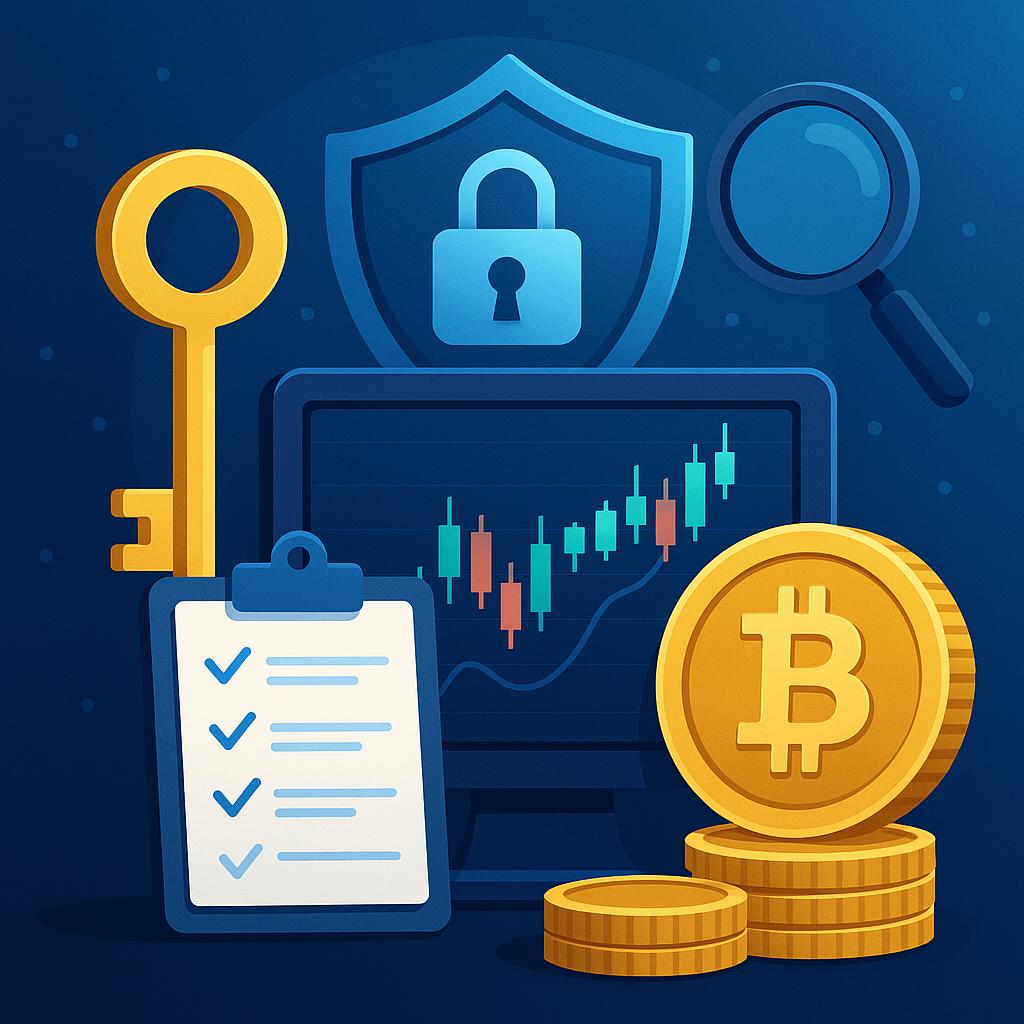
Navigating the crypto market requires more than just enthusiasm-it demands a disciplined approach grounded in security and knowledge. Always prioritize safeguarding your assets by using hardware wallets or trustworthy cold storage solutions rather than leaving your investments on exchanges. enable two-factor authentication (2FA) on every platform you use to add an essential layer of protection against unauthorized access. Additionally, be cautious with phishing attempts by verifying URLs and never sharing your private keys or seed phrases. staying updated with real-time data from credible sources empowers you to recognize trends and potential risks without falling for hype or misinformation.
To create a resilient trading strategy, consider the following best practices:
- Diversify your portfolio: Spread investments across different assets to mitigate risk.
- Set realistic profit targets and stop-loss limits: This helps preserve capital amid market volatility.
- Keep a trading journal: Document decisions and outcomes to refine your strategy continuously.
- Educate yourself on market indicators: Understanding technical and essential analysis aids informed decision-making.
| Strategy | Benefit |
|---|---|
| Diversification | Reduces exposure to single asset risk |
| Using Cold wallets | Prevents hacking of funds on exchanges |
| 2FA implementation | Enhances account security |
| Stop-Loss Orders | Limits potential losses in downturns |

Managing Risks and Avoiding Common mistakes in Crypto Investing
One of the most critical aspects of venturing into crypto investing is **understanding and managing risk effectively**. Cryptocurrency markets are notoriously volatile, and prices can swing dramatically within short periods. To safeguard your investments, it’s essential to diversify your portfolio rather than putting all your capital into a single asset. Additionally,setting **realistic expectations** and avoiding emotional decision-making can help you resist panic selling or impulse buying during market turbulence. Employing strategies such as dollar-cost averaging can also minimize the impact of volatility by spreading out your purchases over time.
Many beginners fall prey to common pitfalls that can be easily avoided with the right knowledge. Here are some frequent mistakes to watch out for:
- Ignoring security protocols: Not using hardware wallets or two-factor authentication exposes you to hacks and theft.
- Chasing hype: getting caught up in FOMO (fear of missing out) frequently enough leads to buying overvalued coins.
- Neglecting research: Investing in tokens without understanding their use case or team background is risky.
- Lack of an exit strategy: Not planning when to take profits or cut losses can erode potential gains.
| Common Mistake | Impact | How to Avoid |
|---|---|---|
| Overleveraging | Amplifies losses during market drops | Use leverage cautiously, set stop-loss orders |
| Falling for Scams | Complete loss of invested funds | Verify projects, avoid get-rich-quick schemes |
| Poor Portfolio Diversification | Higher risk exposure | Invest across different assets and sectors |
Closing Remarks
embarking on your crypto investing journey requires a solid understanding of fundamental concepts, careful research, and a disciplined approach to risk management. By familiarizing yourself with key terms, choosing reputable platforms, and maintaining realistic expectations, you can navigate the volatile cryptocurrency market with greater confidence. Remember that continuous learning and staying informed about market developments are crucial for long-term success. As with any investment, patience and prudence remain your most valuable tools.

Leave a Comment