


Comprehensive Crypto Market Analysis: Trends and Insights

The cryptocurrency market has evolved rapidly over the past decade, transforming from a niche segment into a significant component of the global financial landscape. With its inherent volatility and complex dynamics, understanding the trends and underlying factors driving the crypto market is essential for investors, analysts, and policymakers alike. This article provides a extensive analysis of the current cryptocurrency market, examining key trends, trading patterns, emerging technologies, and regulatory developments. By offering data-driven insights and objective evaluations, the analysis aims to equip readers with a clearer understanding of the opportunities and risks inherent in this continuously evolving sector.
Table of Contents
- Current Market Dynamics and Key Cryptocurrency Performance
- Emerging Trends Shaping the Future of digital Assets
- Risk Factors and Regulatory Considerations in Crypto Trading
- Strategic Recommendations for Investors in Volatile Markets
- To Wrap it Up

Current Market Dynamics and key Cryptocurrency Performance
Market volatility remains a defining trait of the cryptocurrency ecosystem, influenced by a complex interplay of regulatory news, macroeconomic indicators, and technological advancements. Recently, digital assets have demonstrated resilience despite global economic uncertainties, with notable shifts in investor sentiment driving significant price movements. Institutional interest continues to grow, reflected in the increasing adoption of blockchain-based financial products and the diversification of portfolios to include decentralized finance (DeFi) tokens alongside established cryptocurrencies.
Top performers in the current cycle exhibit unique value propositions that differentiate them in a crowded market:
- Bitcoin (BTC): Maintaining its status as a digital store of value, BTC has regained momentum following institutional endorsement and network upgrades.
- Ethereum (ETH): With the ongoing transition to Ethereum 2.0, ETH’s scalability and sustainability enhancements are positioning it as the backbone for smart contracts and DeFi innovation.
- layer 2 Solutions: Projects like Polygon and Arbitrum are gaining traction by offering reduced fees and faster transactions,thus supporting mass adoption.
- Stablecoins: Amid volatility,stablecoins continue to foster liquidity and facilitate cross-border transactions,underpinning a significant portion of traded volumes.
| Cryptocurrency | 3-Month Performance | Market Cap (Billion $) | Dominance (%) |
|---|---|---|---|
| Bitcoin (BTC) | +15% | 580 | 45.8 |
| Ethereum (ETH) | +22% | 230 | 19.7 |
| Polygon (MATIC) | +38% | 8.5 | 0.7 |
| tether (USDT) | Stable | 83 | 6.5 |

Emerging Trends Shaping the Future of Digital Assets
As blockchain technology continues to evolve, **decentralized finance (DeFi)** platforms are rapidly expanding beyond basic lending and borrowing. Innovations like cross-chain interoperability and layer-two scaling solutions are driving greater efficiency and reduced costs, fostering an increasingly robust ecosystem. Additionally, the rise of **non-fungible tokens (NFTs)** is pushing digital ownership to new frontiers, revolutionizing industries such as art, gaming, and intellectual property management.These shifts highlight a move towards more user-centric models that emphasize transparency, security, and inclusivity.
Moreover,regulatory frameworks are catching up with the pace of digital asset innovation,creating a balanced environment that encourages institutional participation without stifling creativity. Key trends include:
- Tokenization of real-world assets: Unlocking liquidity for traditionally illiquid markets.
- Green blockchain initiatives: Addressing environmental concerns through energy-efficient consensus mechanisms.
- Integration of AI and machine learning: Enhancing market analytics, fraud detection, and automated trading strategies.
| Trend | Impact | timeline |
|---|---|---|
| Cross-Chain Solutions | Improved asset liquidity & interoperability | 2024-2026 |
| Tokenized Real-World assets | New investment avenues | 2023-2025 |
| Green Consensus Protocols | reduced carbon footprint | 2024 and beyond |
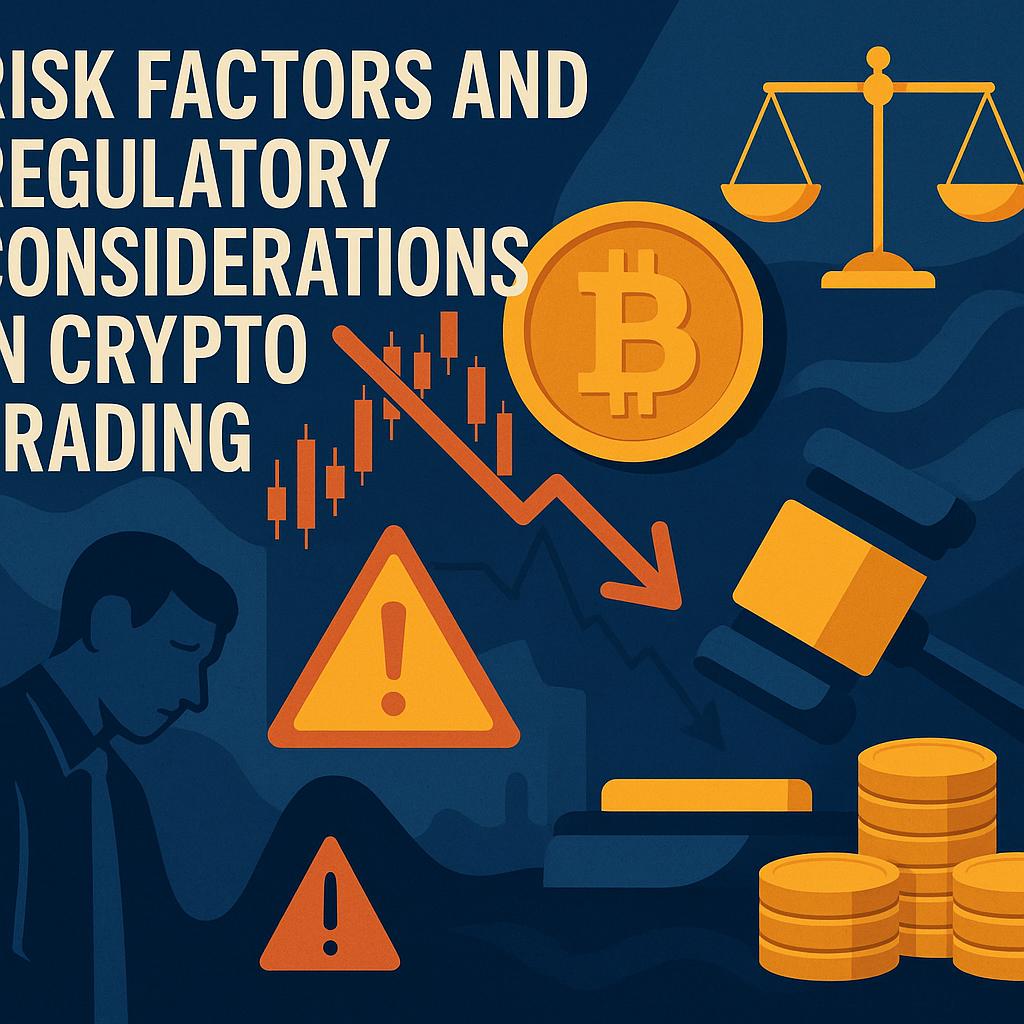
Risk Factors and Regulatory Considerations in Crypto Trading
Navigating the crypto landscape requires a thorough understanding of inherent risk factors.Volatility remains one of the most pronounced challenges, with dramatic price fluctuations capable of triggering substantial gains or losses within short periods. Investors must also contend with liquidity risks, where the ability to quickly buy or sell assets can be constrained by market depth. Moreover, the potential for cybersecurity breaches continues to pose threats, as exchanges and wallets remain prime targets for hackers. Awareness of these risks empowers traders to implement robust strategies, such as diversification and risk management tools, to safeguard their portfolios effectively.
On the regulatory front, the dynamic nature of cryptocurrency has prompted a diverse global response, ranging from outright bans to progressive frameworks aiming to integrate digital assets into customary financial systems. Key regulatory considerations include compliance with Anti-Money Laundering (AML) and Know Your Customer (KYC) policies, which demand increased transparency from trading platforms. Below is a concise overview of regulatory stances in major jurisdictions:
| Region | Regulatory Approach | Impact on Trading |
|---|---|---|
| united States | Strict SEC oversight, evolving classification of assets | Increased compliance costs, greater market scrutiny |
| European Union | Comprehensive MiCA regulation in progress | Standardized rules promoting investor protection |
| Asia (Japan & South Korea) | Licensing requirements for exchanges | Enhanced consumer security and operational transparency |
| Emerging Markets | Varied approaches, some restrictive, others encouraging | Market access often limited or uncertain |
- Stay informed: Regularly monitor regulatory announcements to anticipate changes.
- Leverage compliance tools: Use platforms that prioritize regulatory adherence.
- Risk mitigation: adopt a cautious approach, especially in uncertain legal environments.

Strategic Recommendations for Investors in Volatile Markets
In turbulent market conditions, maintaining a well-diversified portfolio is paramount. Investors should consider allocating assets across a mix of established cryptocurrencies, emerging altcoins, and related blockchain technologies rather than concentrating holdings in a single token. Risk management techniques, such as setting stop-loss orders and regularly rebalancing portfolios, can help protect against severe downturns. additionally, staying informed through credible market analysis and leveraging technical indicators offers an edge in timing entry and exit points effectively.
Adopting a disciplined approach involving these key strategies can dramatically improve outcomes:
- Dollar-Cost Averaging (DCA) to mitigate the impact of volatility
- Continuous education regarding regulatory developments and technological advancements
- Selective participation in staking or yield farming to generate passive income
- Utilizing algorithmic trading tools to monitor market fluctuations in real-time
| Strategy | Benefit | Risk Level |
|---|---|---|
| Dollar-Cost Averaging | Reduces timing risk | Low |
| Portfolio Diversification | Minimizes asset-specific shocks | Moderate |
| Staking/Yield farming | Generates passive income | Moderate to High |
| Algorithmic Trading | Enhances decision speed | High |
To Wrap It Up
the dynamic nature of the cryptocurrency market requires continuous analysis to navigate its complexities effectively. By understanding current trends and key insights, investors and stakeholders can make more informed decisions in an environment characterized by volatility and rapid innovation. Staying attuned to market movements,regulatory developments,and technological advancements remains essential for those seeking to capitalize on opportunities while managing risks within the evolving crypto landscape.


Leave a Comment