

A Comprehensive Guide to Cryptocurrency Exchanges in 2024

The rapid evolution of the cryptocurrency market has made exchanges a central component for investors and traders worldwide. As of 2024, the landscape of cryptocurrency exchanges continues to expand and diversify, offering a wide range of platforms tailored to different needs, levels of expertise, and regulatory environments. This comprehensive guide aims to provide an in-depth overview of the key cryptocurrency exchanges available today, highlighting their features, security measures, fee structures, and supported assets. Whether you are a beginner looking to make your frist trade or an experienced trader seeking advanced tools, understanding the nuances of these exchanges is essential for navigating the digital asset space effectively and securely.
Table of Contents
- Understanding the Different Types of Cryptocurrency Exchanges
- Key Features to Consider When Choosing an Exchange
- Top Cryptocurrency Exchanges in 2024 and Their Unique Offerings
- Security Measures and Regulatory Compliance in Leading Exchanges
- Final Thoughts
Understanding the Different Types of Cryptocurrency Exchanges
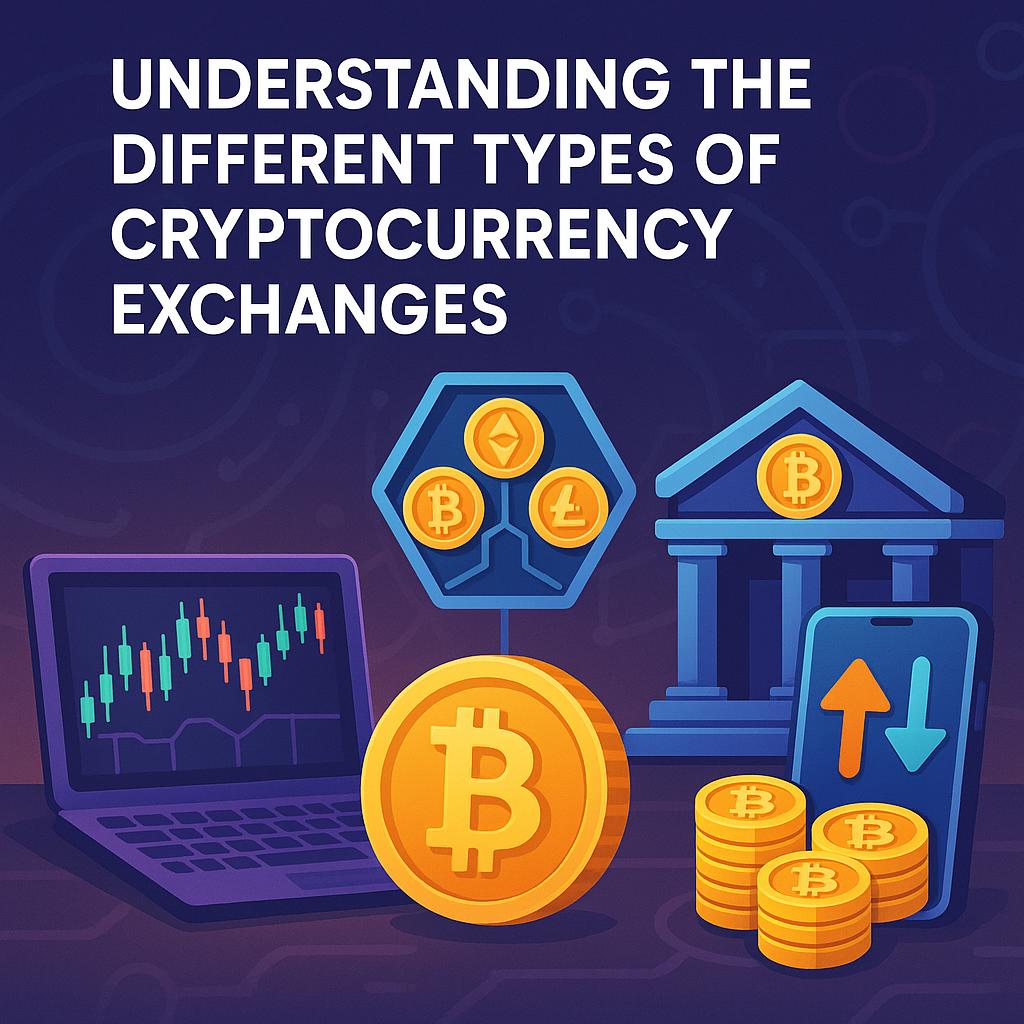
Cryptocurrency exchanges serve as digital marketplaces where users can buy,sell,or trade cryptocurrencies. These platforms primarily fall into two broad categories: centralized exchanges (CEXs) and decentralized exchanges (DEXs). Centralized exchanges operate much like traditional stock exchanges-managed by a central authority that facilitates transactions, enforces security protocols, and provides user support. Popular CEXs frequently enough boast high liquidity, faster transaction speeds, and a wide range of supported assets. Though,users must trust these platforms with their funds and private data,which can sometiems pose security risks.
On the other hand, decentralized exchanges enable peer-to-peer transactions without intermediaries, relying on blockchain technology and smart contracts to execute trades automatically. This structure offers enhanced privacy and control over assets but may come with trade-offs such as lower liquidity and limited customer service. To help you quickly understand the key differences, here’s a simplified comparison:
| Feature | Centralized Exchange (CEX) | Decentralized Exchange (DEX) |
|---|---|---|
| Custody | Managed by exchange | User-controlled wallets |
| Liquidity | High | Varies |
| Speed | Fast | Depends on blockchain |
| Privacy | Lower | Higher |
| User Support | Available | Limited |
- Hybrid exchanges are also emerging, combining features of both CEXs and DEXs to balance ease of use, security, and decentralization.
- Specialized exchanges focusing on derivatives, futures, or niche tokens are expanding options for traders with specific interests.
Key Features to Consider When Choosing an Exchange
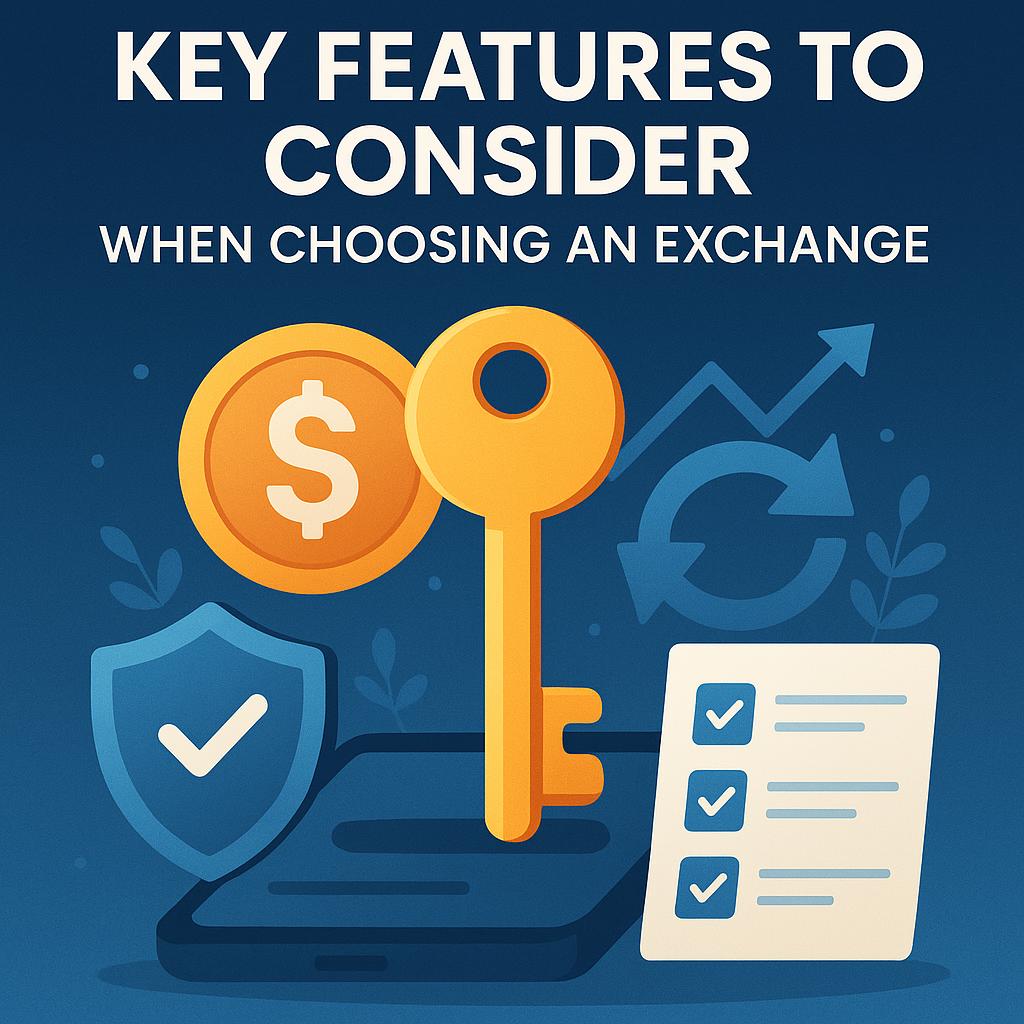
When selecting a cryptocurrency exchange,it’s vital to evaluate multiple aspects that directly impact your trading experience and security. **security measures** such as two-factor authentication (2FA), cold storage for assets, and insurance against breaches are essential to safeguard your investments. Additionally,consider the **fee structure**,including trading fees,withdrawal charges,and any hidden costs,to ensure the platform aligns with your budget. User interface and mobile app quality also play a notable role, especially for traders who need seamless access on the go, while strong customer support can alleviate potential issues swiftly.
Another crucial factor is the **variety of cryptocurrencies and trading pairs** offered,which determines your ability to diversify your portfolio or access specific tokens. Liquidity is equally critically important – higher liquidity leads to tighter spreads and faster trade execution.Verify the exchange’s **regulatory compliance** and openness, as reputable platforms maintain clear licensing and adhere to international financial standards. The table below summarizes key features and why they matter:
| Feature | importance | What to Look For |
|---|---|---|
| Security | Protects assets | 2FA, cold storage, insurance |
| Fees | Affects profitability | Transparent, low withdrawal & trading fees |
| Liquidity | Ensures fast trades | High trading volumes |
| Asset Variety | Increases investment options | Diverse coin and token selection |
| Regulatory Compliance | Ensures legal operation | Licenses, KYC/AML policies |
Top Cryptocurrency Exchanges in 2024 and Their Unique Offerings
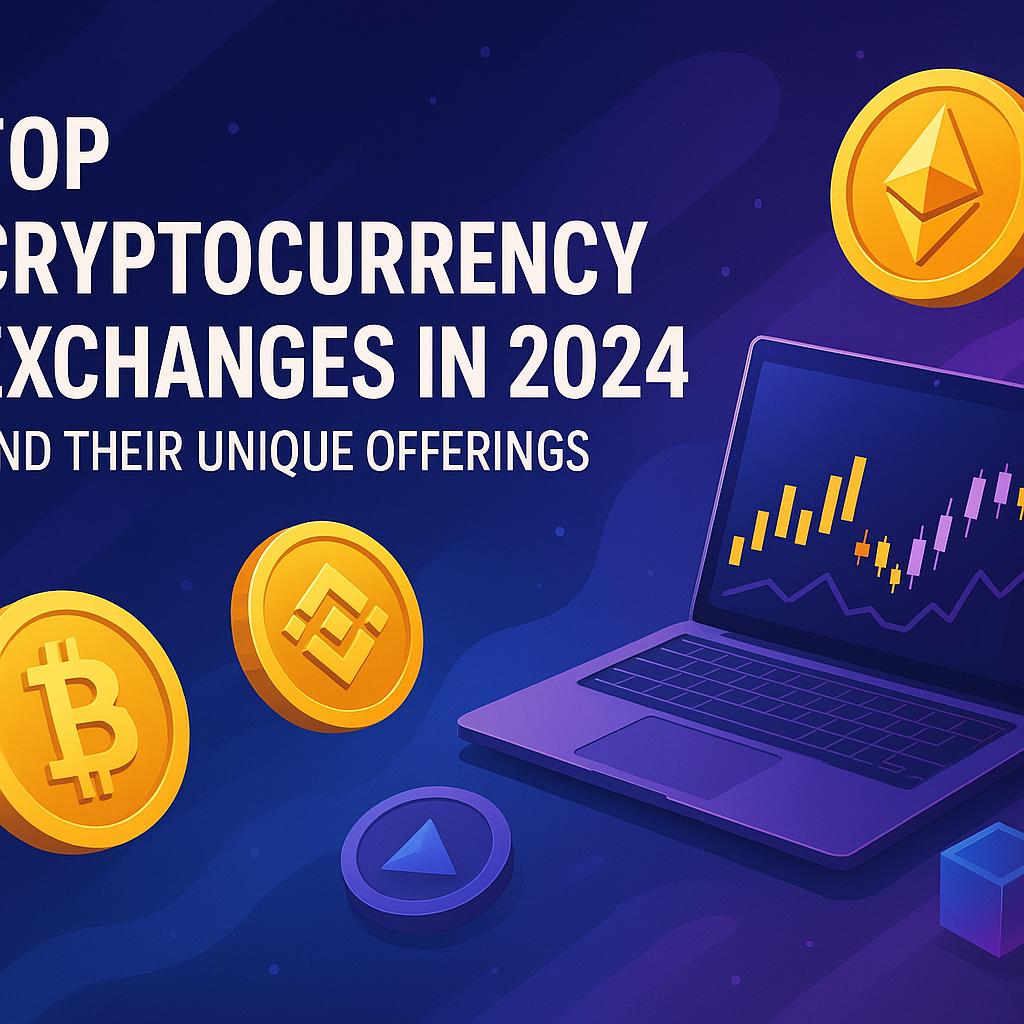
Navigating the increasingly complex world of digital assets requires choosing an exchange that aligns with your trading needs and security preferences. Binance, as a notable example, continues to dominate with its extensive range of cryptocurrencies, deep liquidity, and innovative features like Binance Earn and its NFT marketplace. Meanwhile, Coinbase Pro focuses on regulatory compliance and user-amiable interfaces, making it a top choice for institutional investors and newcomers alike. On the other hand, exchanges like Kraken are renowned for their strong emphasis on security and transparency, offering advanced staking options and comprehensive futures trading. Each platform distinguishes itself through unique value propositions, forming a diverse ecosystem catering to both casual traders and professional investors.
To provide a clearer overview,here is a concise comparison of some leading cryptocurrency exchanges in 2024:
| Exchange | Unique Offering | Security Feature | Fee Structure |
|---|---|---|---|
| Binance | Launchpad for new tokens & NFT marketplace | SAFU insurance fund | Low,tiered trading fees |
| Coinbase Pro | Regulatory compliance & easy Fiat on-ramp | Cold storage with insurance | Flat fees based on volume |
| Kraken | Robust futures & staking products | Two-factor authentication & global audits | Competitive maker-taker fees |
| Gemini | Strong compliance & gemini Earn program | Hardware security keys & insurance | Tiered fees and free withdrawals |
Security Measures and Regulatory Compliance in Leading Exchanges
In 2024, top-tier cryptocurrency exchanges prioritize robust security frameworks to protect user assets and data integrity. These platforms implement multi-layered authentication processes, including two-factor authentication (2FA) and biometric verification, ensuring only authorized access. Advanced encryption standards safeguard sensitive information, while cold storage solutions store the majority of funds offline, drastically minimizing exposure to cyber threats. Additionally, regular security audits and penetration testing are standard practise, helping exchanges identify and patch vulnerabilities proactively.
Compliance with global and regional regulations remains a cornerstone for leading exchanges, reinforcing trust and operational legitimacy. Common regulatory commitments include:
- AML (Anti-Money Laundering) procedures: Continuous monitoring of transactions to detect suspicious activities.
- KYC (Know Your Customer) protocols: Comprehensive identity verification to prevent fraud and illicit transactions.
- Licensing and registration: Adherence to financial authorities’ requirements across major jurisdictions.
Below is a quick overview of the prevalent security and compliance features offered by top exchanges in 2024:
| Feature | Description | Implementation Rate (%) |
|---|---|---|
| Cold Storage | Offline asset storage for enhanced security | 92% |
| 2FA | Two-factor authentication across all accounts | 98% |
| AML & KYC | Compliance with identity and transaction monitoring | 100% |
| Regular audits | Periodic internal and third-party security checks | 85% |
Final Thoughts
understanding the landscape of cryptocurrency exchanges in 2024 is essential for both new and experienced investors seeking to navigate this rapidly evolving market. By carefully evaluating factors such as security measures, fee structures, supported assets, and user experience, individuals can make informed decisions that align with their investment goals and risk tolerance. Staying updated with regulatory developments and technological advancements will further enhance one’s ability to choose reliable platforms and optimize trading strategies. As the cryptocurrency ecosystem continues to mature, thorough knowledge of exchanges remains a critical component for success in the digital asset space.


Leave a Comment